 Our use of cookies

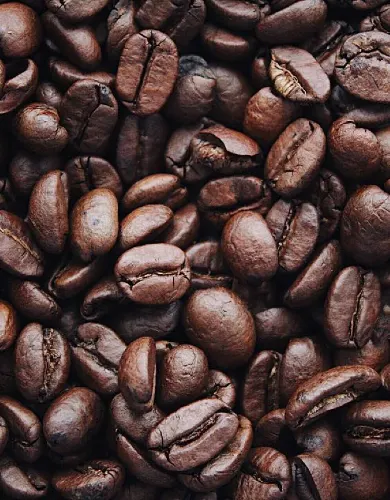 Turning coffee grounds into Biofuel
 The UK drinks over 95 million cups of coffee a day, producing vast amounts of spent coffee grounds. Most end up in landfill, where they release methane. But these waste grounds contain valuable oils that can be converted into biofuel, offering a practical way to reduce waste and cut reliance on fossil fuels. Why coffee…
read more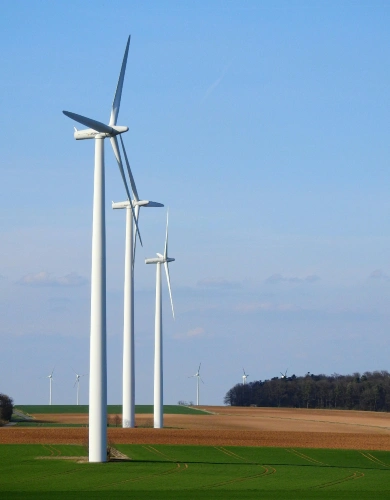 Wind turbine blade recycling in the UK
 The UK’s wind energy revolution is in full swing, powering more homes than ever. But there’s a growing challenge on the horizon: what happens to wind turbine blades when they reach the end of their lifespan? Unlike other components of a wind farm, turbine blades are notoriously difficult to recycle. The waste industry is racing…
read more Rules and regulations for commercial waste disposal
 This guide explains the obligations businesses in the UK have for managing and disposing of their waste. Commercial waste refers to waste generated by any trade or business. For a precise definition of how this differs from domestic waste, refer to our guide on what is classified as commercial waste. Regulations on waste disposal in…
read more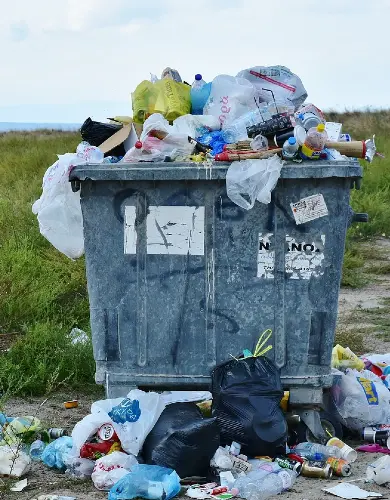 Waste Segregation
 Waste segregation is the process of sorting waste into separate categories so each type can be recycled, reused, or disposed of in the right way. Waste segregation systems prevent the cross-contamination of waste, which improves recycling rates, reduces waste collection costs, and minimises the environmental impact of waste. This article explains best practices for waste…
read more