
Waste audit
Get in touch with our waste experts today
Just enter your business postcode…
 Our use of cookies
 This website uses cookies to ensure you get the best experience on our website, to read more about the cookies we use, please read our cookies policy here.
Necessary cookies enable core functionality such as security, network management, and accessibility. You may disable these by changing your browser settings, but this may affect how the website functions.
Get in touch with our waste experts today
Just enter your business postcode…
Start saving now
A waste audit is a structured assessment of how your business produces, handles and disposes of its waste. It looks at everything you throw away, sorts it into types such as cardboard, food, glass and general waste, and measures how much of each you generate over a typical period.
It’s designed to give you a clear picture of what waste you produce, how much of it, and where you can make savings. Most businesses are surprised by how much recyclable material ends up in general waste, and how much they’re paying to send it to landfill as a result.
A waste audit is designed to reduce commercial waste collection costs and limit the environmental impact of your commercial waste. There are six main reasons to carry out a waste audit.

General non-recyclable waste is the most expensive waste stream to collect due to the disposal costs and the landfill tax. An audit finds recyclable items being thrown away as general waste and moves them into cheaper, separate collections, cutting what you spend overall.
Identifying every recyclable waste type your business produces, then giving each its own bin and collection, so more of your waste is recycled and collected at cheaper rates than a mixed recycling service.

Contaminated waste bins cannot be recycled. If a greasy pizza box ends up in your cardboard bin, your provider may charge extra to send the whole load to landfill. An audit identifies how contamination happens so you can prevent it.

Producing less waste in the first place is the biggest win. Simple changes, from cancelling unused magazine subscriptions to moving to digital ways of working that cut ink cartridge and paper waste, reduce what your business throws away and its wider environmental impact.

A waste audit helps your business meet national and local commercial waste regulations, and is a prompt to check that paperwork such as waste transfer notes has been retained.
Auditing how much waste you actually produce shows whether your bins are the wrong size or collected too often. You can then match capacity and frequency to demand, rather than paying for empty space or dealing with overflowing bins.
A waste audit means going through everything your business throws away, sorting it into types, working out how much of each you produce, and deciding what to change. The process is the same whether you do it yourself or get a provider in.
Here’s what’s involved:

Assess the waste your business produces and look for ways to make less of it, starting with simple business waste minimisation strategies.

Categorise your waste into types such as cardboard recycling, food waste, glass recycling, sanitary waste collection, plus other recyclables and general waste.

Work out how many bin bags of each type you fill over a typical week or month. This sets the commercial waste bin size you need and how often it is collected.

Place a clearly labelled bin for each waste type where that waste is produced. Sorting at source is the simplest way to prevent cross-contamination.
Arrange a separate commercial waste collection for each waste type. Your provider delivers a bin to store the segregated waste between pickups.

Better sorting means new daily habits for your business. Explain the changes to all employees affected, and explain why keeping each waste type separate matters.
Your provider issues an annual waste transfer note for each collection. Keep these for two years, and check your existing ones have been kept too.

Review the audit at regular intervals to check it is working. Watch in particular for any overweight or contamination charges.
An audit covers every type of waste your business produces, not just what goes in the general waste bin. The most common types it looks at are:
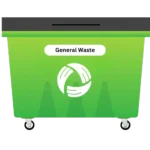
Anything that can’t be recycled and goes to landfill or energy recovery. It is the most expensive stream to collect, so an audit aims to reduce it.
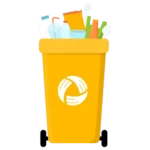
Paper, plastics and cans collected together through commercial dry mixed recycling, which saves space and cuts down on sorting.
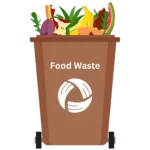
Leftovers and preparation waste are kept separate for commercial food waste collection rather than going in with general waste.
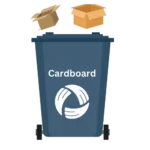
Boxes and packaging are one of the most common business waste types and are easy to recycle through commercial cardboard recycling when kept clean and dry.

Bottles and jars, common in pubs, restaurants and hotels, kept out of general waste through separate commercial glass recycling collections.

Medical and healthcare waste from sites such as surgeries and dentists is handled under strict rules and disposed of using a clinical waste collection.
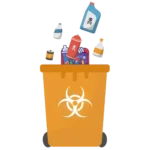
Materials such as chemicals, batteries and solvents that need specialist hazardous waste collection and careful paperwork.
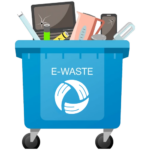
Old computers, appliances and other commercial electronic waste recycling that can’t go in with general waste.
Documents and data that need secure destruction through confidential waste disposal rather than ordinary recycling.
The audit tells you what needs to change. Putting those changes into practice, and keeping them going, is where the savings actually come from.
Here’s a breakdown of the most common recommendations following a waste audit:

Brief staff on changes to waste procedures and why it matters. Ongoing reminders keep sorting accurately long after the audit is finished.
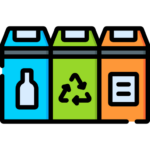
Add a clear label and simple guidance to every bin, so the right waste ends up in the right place and contamination drops.
Review what you buy and how it’s packaged. Cutting waste before it arrives is cheaper than dealing with it afterwards.
Agree a few simple goals, such as a recycling rate or a cut in general waste, and review them regularly.

Check you aren’t tied into the wrong service or overpaying. Get a commercial waste quote from us to make sure your costs match what you actually produce.
Treat an audit as a regular review rather than a one-off, so your setup keeps pace as the business changes.
Our business waste experts answer frequently asked questions about waste audits.
Once a year works for most businesses.
However, if your business moves premises, has a rapidly expanding headcount, or is going through other operational changes, we recommend conducting a waste audit sooner.
How long a waste audit takes depends on your business and the waste you produce. You need to take into account the size of your site, how many waste types you generate and how much of each.
A small business with a few waste streams might sort everything in a few hours, while a larger site takes longer. Either way, the part that sets the timescale is working out your volumes, as that means recording what you throw away across a normal week or month.
We recommend involving the operational manager of the site and all employees who handle waste day-to-day.
Yes. A waste audit works around your business rather than stopping it, because you’re sorting and recording waste you already produce rather than changing how you operate.
Most of the work, checking what’s in your bins, splitting it into types and noting the volumes, happens away from customers and can be done at the end of the day.
Your current waste contracts, recent invoices and your waste transfer notes. Together, these show what you’re paying, what’s collected and how often, which gives the audit a starting point.
Yes, but assess each site separately first, as waste types and volumes differ from one to the next.
You can then assess the findings into a single audit for the business.
Yes. ISO 14001 expects you to understand and manage your environmental impact, and a waste audit gives you the data and records to evidence it. It isn’t mandatory for certification, but it makes the standard easier to meet.
Yes. Materials like cardboard, metal and some plastics have a resale value when kept separate.
An audit shows whether you produce enough of any one type to sell it, or have it collected free, instead of paying to have it collected.
Find out more in our business recycling rebates page.
Most businesses don’t need to hire anyone, your own team can do it. If you’d rather bring someone in, we can arrange an external waste audit today, enter a few simple details into the form at the top of this page to get started.
No, waste audits aren’t required by law in the UK. They are the best way to show your business is meeting its waste hierarchy duties.
Healthcare is the exception: hospitals, GPs, vets and dentists have to carry out a clinical waste audit periodically.