 Our use of cookies
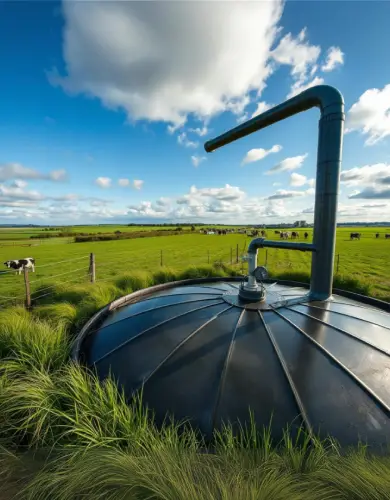 Anaerobic digestion: Process, feedstocks, advantages and disadvantages
 Anaerobic digestion (AD) turns organic waste like food scraps, slurry and sewage into biogas and nutrient rich fertiliser. The UK has approximately 750 commercial AD plants processing 36 million tonnes of organic waste a year. This guide to anaerobic digestion covers: How it works Feedstocks Pros and cons UK facilities What is anaerobic digestion? An…
read more UK waste data insights
 How much waste does the UK generate every year? What is it made of, where does it come from, and where does it go? We look at the official government statistics and answer these questions and more! 💡 Key takeaways: The UK generates 222.2 million tonnes of waste annually (growing by 0.6% annually over the…
read more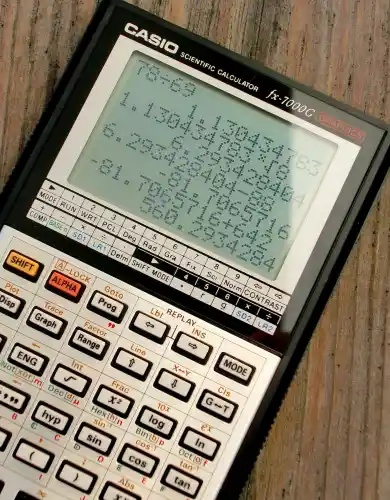 Waste Emissions Calculator: Reducing your business’s carbon footprint
 Businesses can significantly reduce their carbon footprint by following the waste hierarchy and avoiding waste disposal in landfills. Calculate how many kilograms of CO2 (and equivalent gases) can be avoided by recycling, composting and incinerating this waste before it reaches landfills using our Waste Emissions Calculator: How are business waste carbon emissions calculated? Business waste…
read more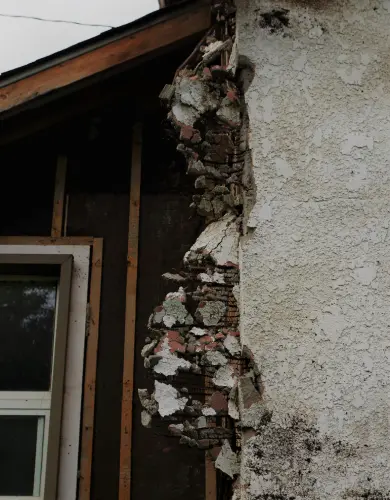 Asbestos waste management: How it’s disposed of
 Asbestos is a hazardous material still present in many buildings constructed before 2000, and removing and disposing of it is tightly regulated. This guide covers what asbestos is, how to identify it, the legal duty of care and regulations involved, and how to safely handle and dispose of it. Contents: What is asbestos? What does…
read more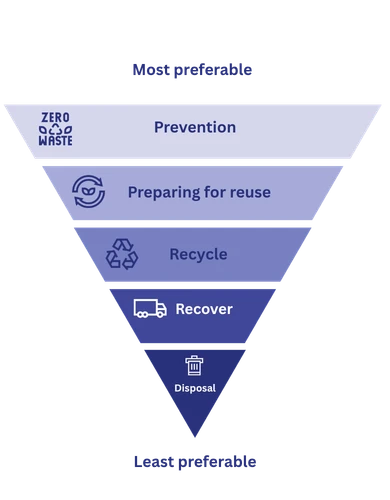 The waste hierarchy pyramid: A guide for businesses
 The waste hierarchy pyramid is a five-step framework set out in UK law that ranks waste management methods in order of environmental preference. Prevention sits at the top as the most preferable option, followed by preparing for reuse, recycling, other recovery, and disposal as the last resort. UK businesses are legally required to apply the…
read more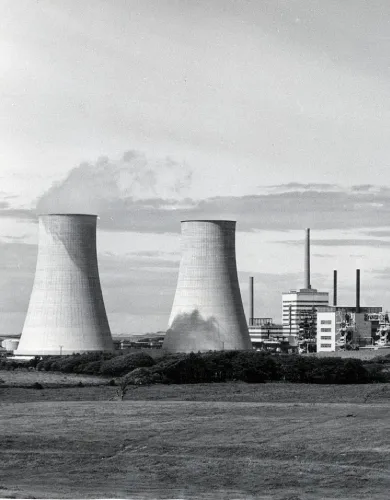 Sellafield: Britain’s hidden nuclear waste hub
 Nestled beside the Lake District National Park on the Cumbrian coast is Sellafield, Europe’s largest nuclear waste decommissioning and storage site. Sellafield stores around 85% of the UK’s legacy nuclear waste in its ageing facilities. The UK government spends £2.5 billion each year on managing the nuclear waste at Sellafield. Our experts explain the history…
read more